

Lower back pain is a common condition that can affect daily activities, work, and quality of life. Management approaches vary depending on the underlying cause, contributing factors, and individual circumstances.

Understanding Lower Back Pain
Lower back pain refers to pain arising from the lumbar region of the spine and may range from mild to persistent or recurrent discomfort.
Common contributing factors may include:
– Degenerative or arthritic changes in the spine
– Disc-related conditions
– Spinal stenosis
– Previous injury or trauma
– Postural strain
– Muscle tension or deconditioning
In many cases, no single structural cause can be identified on routine imaging. This is often referred to as non-specific or primary lower back pain and is a common presentation worldwide.
Common Causes of Lower Back Pain include:
Arthritis in the spine
Structural abnormalities like scoliosis
Degenerative disc disease
Herniated discs
Spinal stenosis (narrowing of the spinal canal)
Spinal fractures
Postural strain from extended periods of poor ergonomics
Acute injury
However, it is also entirely possible to have lower back pain for which a clear cause cannot be found on ordinary imaging. This is known as non-specific lower back pain or primary lower back pain and is the most common type of back pain in the world. Many people with this diagnosis have underlying osteoarthritis that can only be diagnosed with very specialised tests.
Our Approach to Lower Back Pain Care
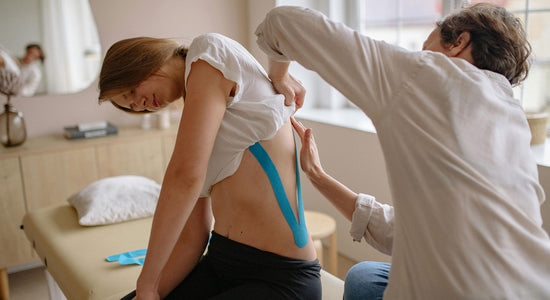
The Pain Collective provides multidisciplinary care for people living with lower back pain. Management may involve medical practitioners and allied healthcare professionals, including physiotherapists, biokineticists, occupational therapists, and psychologists, depending on individual needs.
Care is guided by clinical assessment and may include conservative, rehabilitative, and interventional strategies where appropriate. Diagnostic tools and minimally invasive procedures may be considered as part of an individualised management plan.
How We Diagnose Lower Back Pain
Assessment includes a detailed clinical history and physical examination. Your first consultation may be with a medical practitioner or therapist, depending on the nature of your symptoms.
Where indicated, further investigations such as imaging or laboratory tests may be recommended to support clinical decision-making.
Treatment Options for Lower Back Pain
Management plans are individualised and may include a combination of education, physical rehabilitation, medication, lifestyle-based strategies, and interventional procedures where appropriate.
Not all cases require surgical intervention. Where surgical assessment is indicated, referral to an appropriate surgical specialist outside of the practice may be recommended.
Interventional Procedures
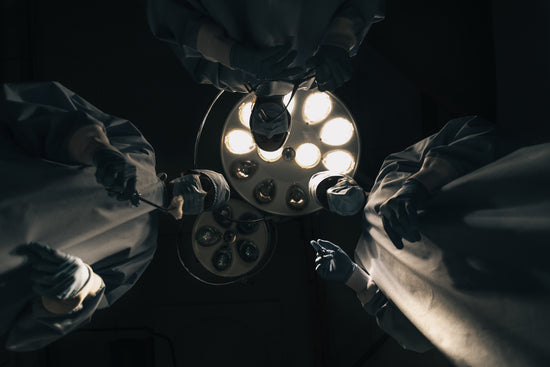
In selected cases, interventional pain procedures may be considered as part of a broader management plan. These interventions aim to support pain control and function – they are not intended to address the underlying structural cause of pain.
The potential benefits, limitations, and risks of any procedure are discussed during clinical consultation. Suitability varies among individuals.
We do not offer surgery, but you can learn more about surgical options here.

What to Expect as a Patient
Your treating team will guide you through the assessment and management process, ensuring care is coordinated across relevant disciplines.
Education and self-management strategies form an important part of long-term pain care – these are discussed as part of an agreed management plan.
Arrange an Assessment
Schedule an evaluation by calling 087 550 0644 or emailing info@healthcollectiveheal.com for an appointment at any clinic.