

WHAT IS RELAXATION THERAPY?
Relaxation therapy refers to a group of evidence-informed techniques designed to reduce physiological stress and support nervous system regulation. The aim is to decrease muscle tension, calm excessive stress responses, and promote a state of physical and mental ease.
These techniques are commonly used as part of a broader health or pain management plan and can support emotional wellbeing, sleep quality, and coping capacity when used consistently.
Relaxation therapy does not replace medical or psychological treatment but is often used alongside other therapies as part of a comprehensive, interdisciplinary approach.
COMMON RELAXATION TECHNIQUES
-
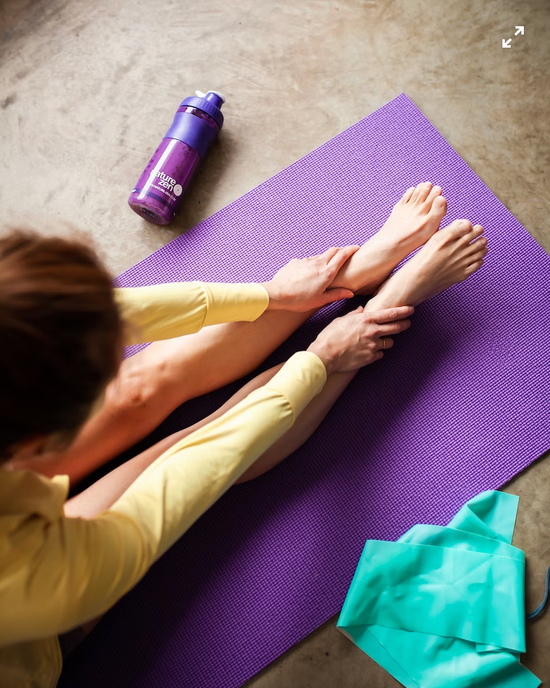
Progressive Muscle Relaxation
This technique involves gently tensing and then relaxing specific muscle groups in sequence. It helps individuals become more aware of physical tension and learn how to consciously release it.
-

Deep Breathing
Slow, controlled breathing — typically in through the nose and out through the mouth — can help regulate heart rate, reduce stress responses, and support a calmer nervous system state.
-
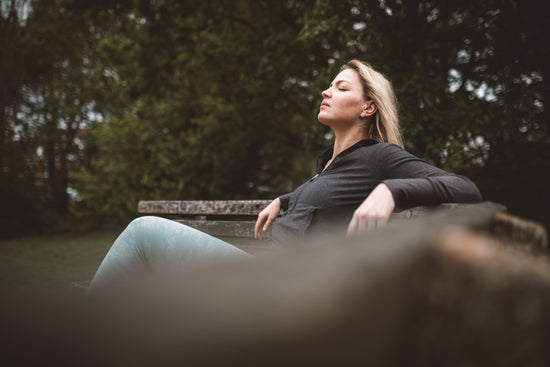
Guided Imagery
Guided imagery uses visualisation of calming or neutral scenes to help shift attention away from distressing sensations or thoughts and promote relaxation.
-
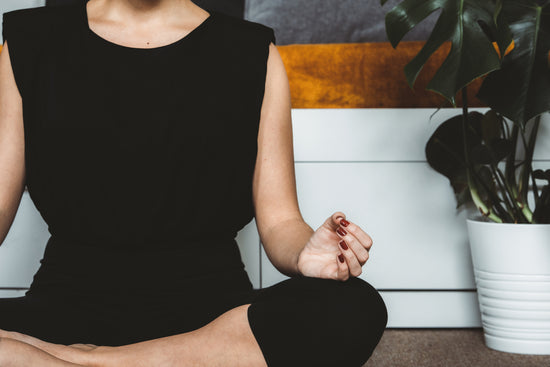
Meditation
Meditation involves focusing attention on a chosen anchor, such as the breath or a word, to improve awareness and reduce mental agitation. Different forms may be used depending on individual needs and tolerance.
-
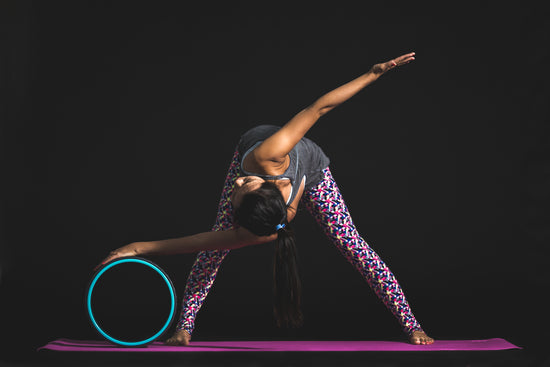
Yoga and Tai Chi
Yoga and Tai Chi combine gentle movement, posture, and breathing. These practices can support relaxation, balance, flexibility, and body awareness, particularly when adapted for people living with pain or reduced mobility.
-
RELAXATION THERAPY
Relaxation therapy may be beneficial for people experiencing:
Chronic pain
Stress-related symptoms
Anxiety or low mood
Sleep difficulties
Muscle tension or fatigue
By reducing sustained stress activation, relaxation techniques can help support pain management, emotional regulation, and overall quality of life. Individual responses vary, and techniques are best selected and adapted with guidance from a trained healthcare professional.
USING RELAXATION THERAPY SAFELY
Relaxation therapy is generally safe when practiced appropriately. Some individuals may find certain techniques uncomfortable initially, particularly if they have high levels of anxiety or trauma-related symptoms. Guidance from a therapist can help tailor techniques to individual needs and ensure they are introduced gradually.
If you would like to learn more about relaxation-based approaches or explore how they may fit into your care plan, please contact our team.