

What Does an Occupational Therapist (OT) Do in Chronic Paediatric Pain?
When you hear "paediatric OT," you probably think of someone helping children develop gross motor skills, improve handwriting, or work through sensory challenges. And you'd be right – but OTs also play a crucial role in treating persistent paediatric pain.
The "occupation" in occupational therapy refers to all the activities that fill a child's day. When a child has persistant pain, the OT helps them learn how to do the tasks they want to and have to do, to get their life back.
What to Expect From Your First Session
Your child's first appointment is a joint consultation between the paediatrician and an OT, both with a special interest in treating chronic pain. This consultation includes your child and at least one parent. Both you and your child will be interviewed to gather comprehensive information. This is followed by a medical exam and a functional assessment. At the end of the session, the team discusses the way forward with you and your child. This may include further investigations or referrals to other healthcare providers. The team communicates this information to you as the parent, but also explains it to your child in a way that helps prepare them for the process that will
follow.

What about treatment?
OTs in the pain space consider your child holistically - body, mind, emotions, school life, social life, and family life - and create a rehabilitation plan tailored specifically to them.

Age-Appropriate Education
Education is one of the most powerful tools in pain management. OTs help children understand pain and their nervous system in a way that is meaningful and understandable to them. Whether your child is 5 or 15, the OT will explain concepts at their level, using language, stories, and examples that make sense to them.
Kid-Friendly Activity Pacing and Graded Exposure
OTs teach children how to balance rest and activity. Through graded activities designed to be achievable and relevant, children gradually rebuild participation in activities they love - sport, playing with friends, or attending school.
Stress, Anxiety, and Emotion Regulation
If indicated, the OT may work on stress and anxiety management, and teaching practical coping strategies and emotion regulation skills that help children navigate the emotional challenges of living with chronic pain.
Sleep and Routine Management
Pain and sleep have a complicated relationship – poor sleep worsens pain, while pain disrupts sleep. OTs develop sleep strategies, establish healthy bedtime routines, and address barriers to restful sleep, which is fundamental to managing chronic pain effectively.
Sensory Strategies
When children experience pain, their other senses often become hypersensitive too. Many children with chronic pain struggle with sensitivity to touch, sound, light, or other sensory input. OTs can help identify triggers and develop strategies to reduce sensory overwhelm, using the senses therapeutically to decrease pain and improve daily functioning.
Working With the Family
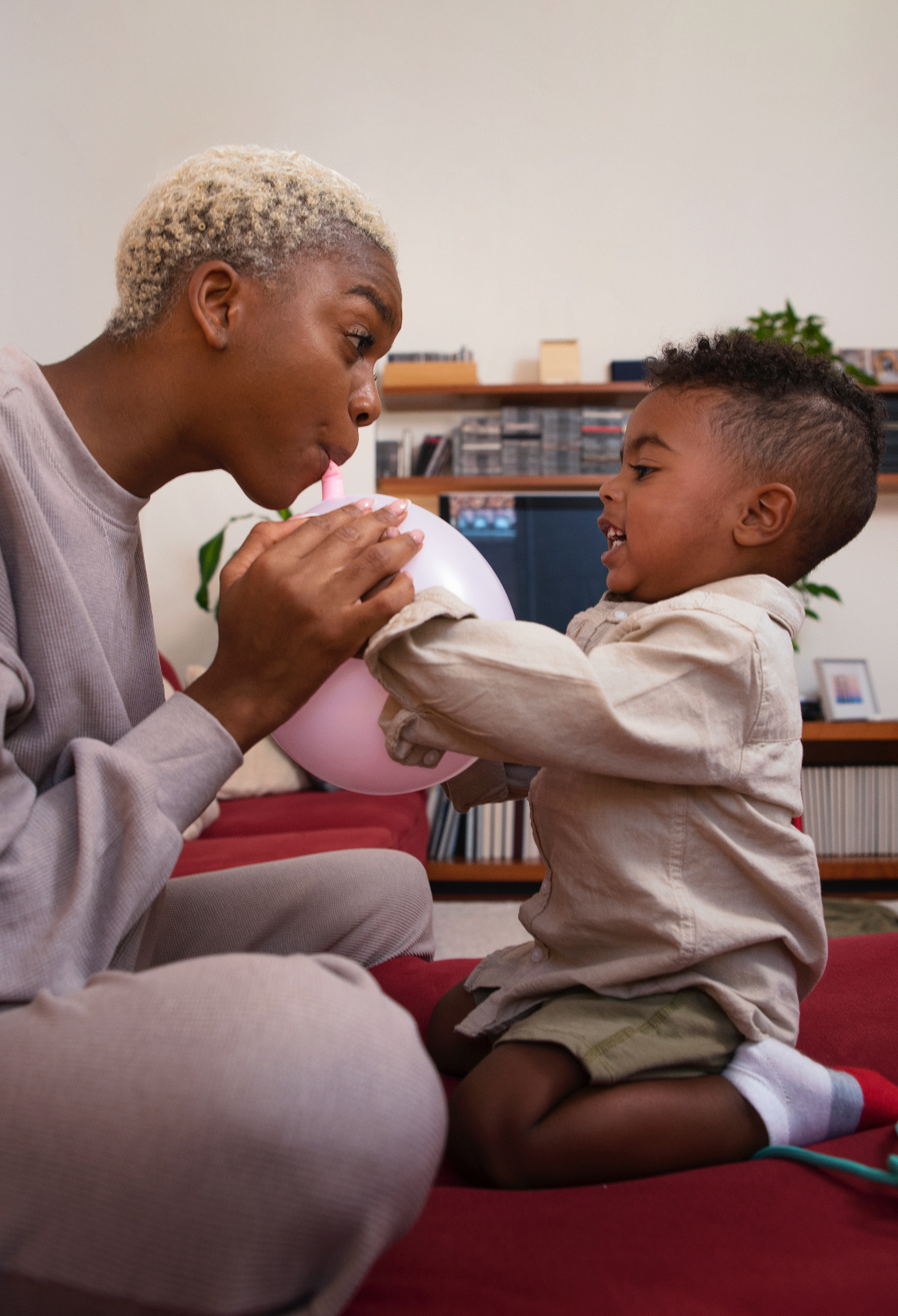
OTs partner with parents and caregivers, helping them understand how best to support their child. This might include suggesting modifications at home or school, teaching parents how to build resilience and foster self-efficacy, and helping families rebuild normal routines. The goal is always to foster your child's growing independence and confidence.
Ultimately, occupational therapy aims to help your child participate fully in their life despite pain - managing self-care, succeeding at school, enjoying hobbies and sport, and connecting with family and friends.